What’s the Best Bowl Size for Single-Serve or Takeaway Salads? (24–32 oz)
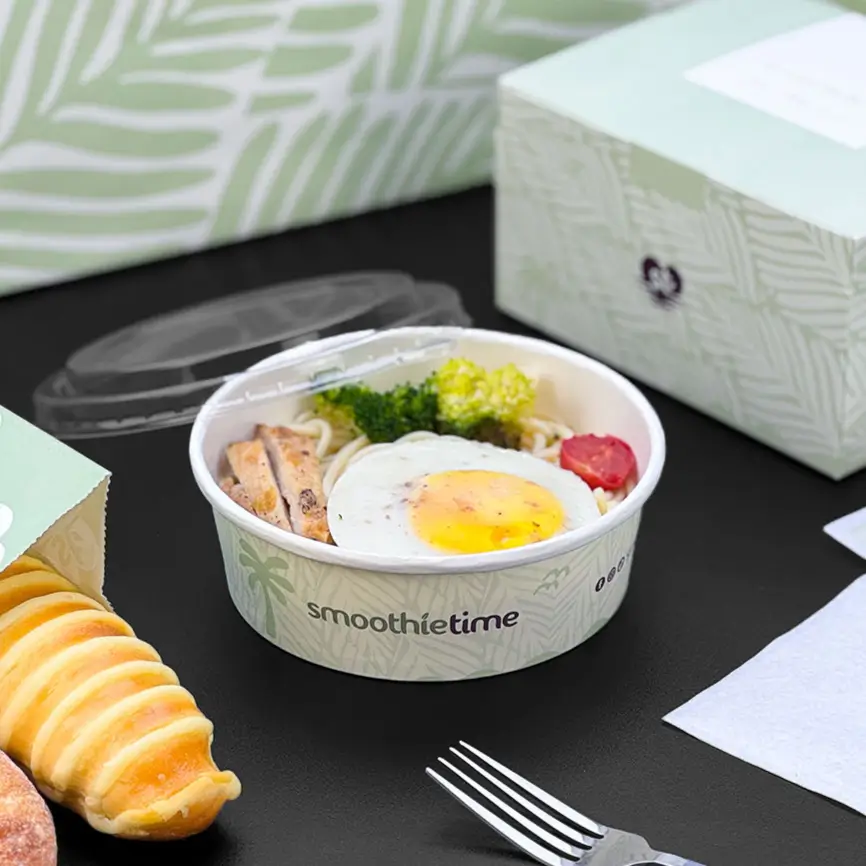
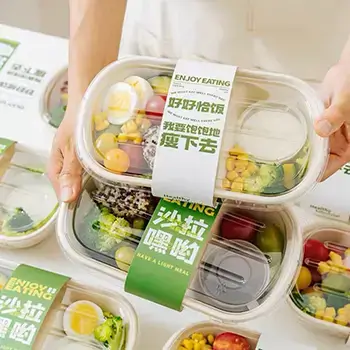
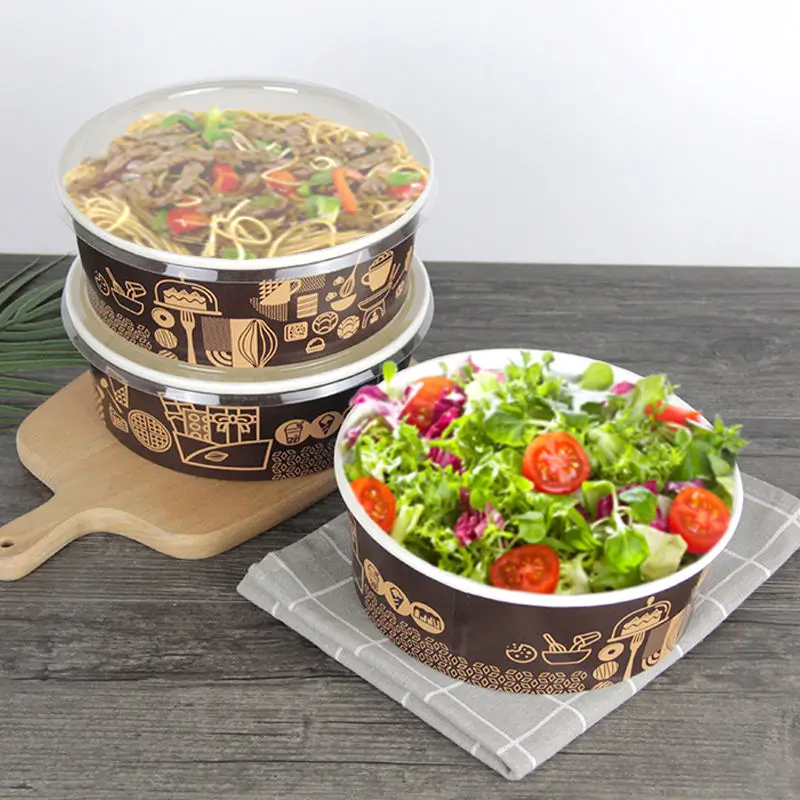
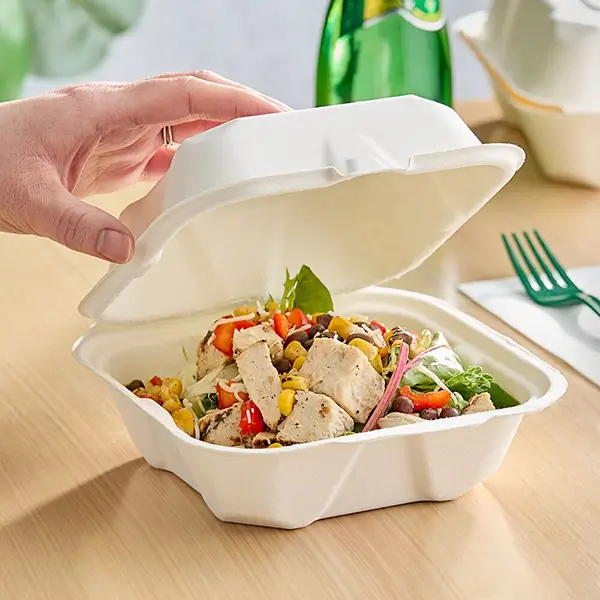
This size range is ideal for a full meal — it’s what most restaurants and salad bars use for dine-in or takeaway orders.
24 oz (around 700 ml) :
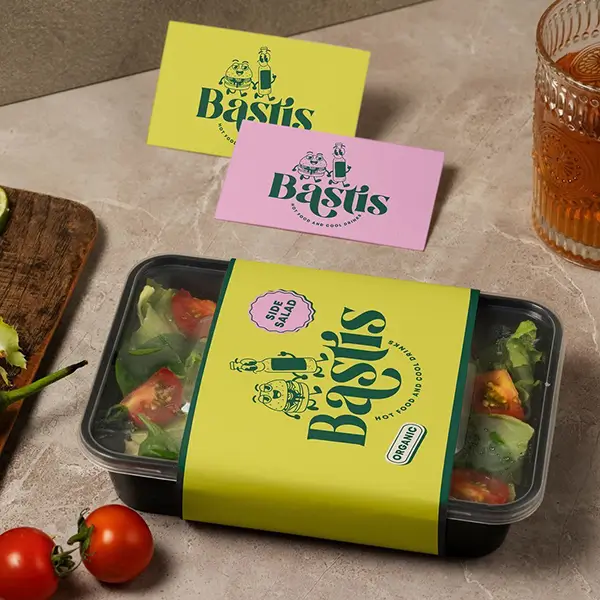
One-person veggie salads like Caesar, garden, or Greek
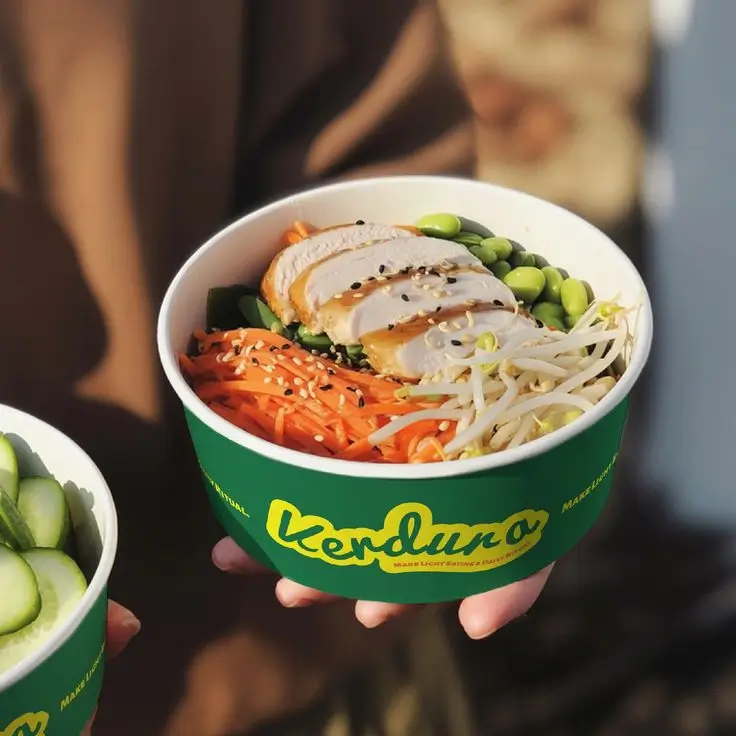
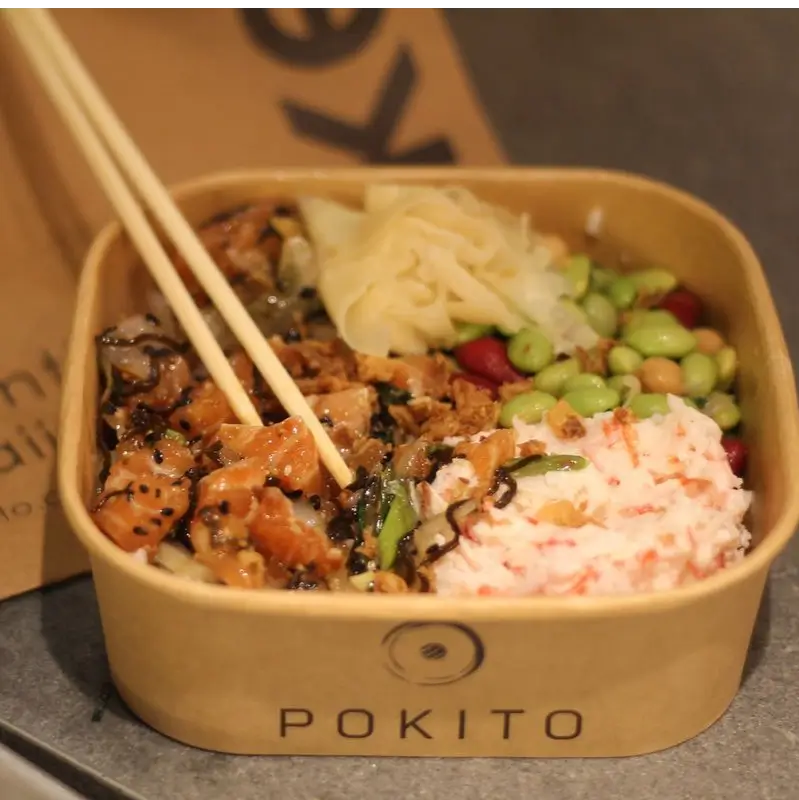
Small poke bowls
Single-serve pasta or noodle salads
Stews or curries with a small portion of rice
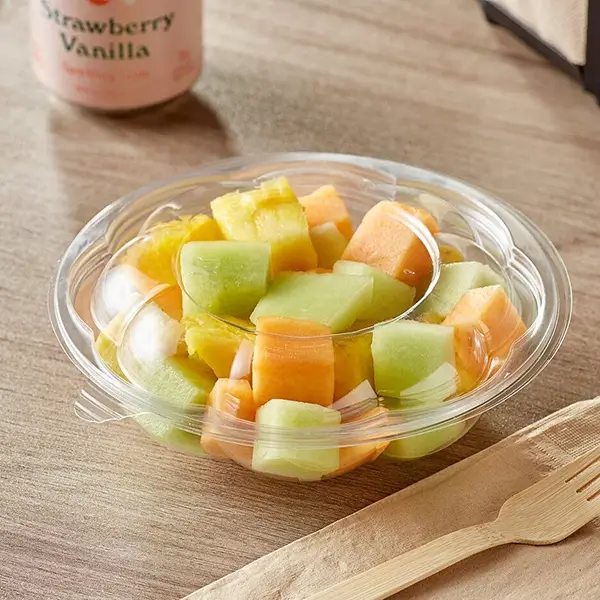
Medium-size fruit salads
32 oz (around 950 ml) works for:
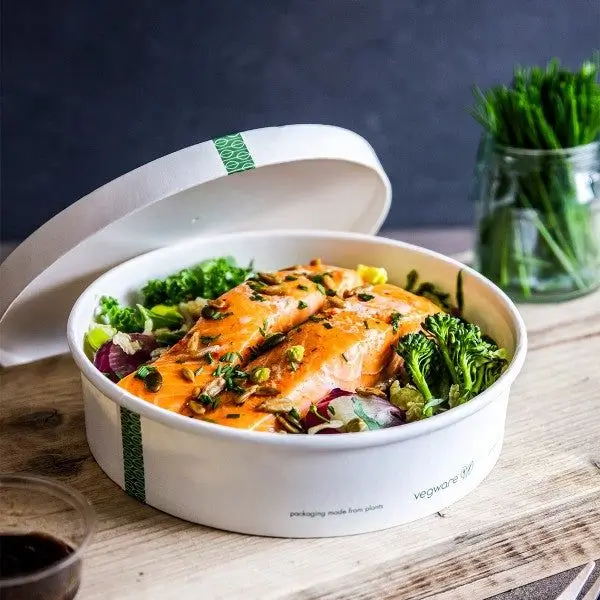
Main-course salads with chicken breast, beef, or shrimp
Filling bowls with quinoa, brown rice, pasta, or potatoes
Large poke bowls with extra toppings or fish
Fried rice, lo mein, or saucy rice bowls
Cold noodle or chilled salad dishes that need mixing space
Most takeaway salads use 24 to 32 oz bowls. The 24-oz is perfect for a single meal and easy to carry. The 32-oz gives a little extra room on top — great for tossing with dressing or keeping ingredients intact under the lid.
What Size Works for Family-Style or Sharing Salads? (32–48 oz)
These larger bowls are perfect for family-sized portions, party trays, or sharing-style takeout.
The most common sizes are 32 oz, 42 oz, and 48 oz — with 48 oz being the biggest, often used for salad platters, fruit bowls, cold noodles, or combo appetizers.
40 oz (around 1.1 L) works great for:
A big mixed salad for 2–3 people to share
A generous fruit salad portion
Large servings of pasta salad, potato salad, or coleslaw
Cold dish combos with a mix of proteins and veggies
42–48 oz (around 1.2–1.4 L) fits:
Big salads for 3–4 people
Protein-and-carb-packed meals with chicken, shrimp, quinoa, corn, and veggies
Large fruit salads or cold noodle dishes that need extra mixing space
Family-size vegetable or appetizer salads for set meals
If You Only Stock 2 Sizes, Which Two Cover 80% of Orders?
If you can only keep two bowl sizes in stock, go with 16 oz and 32 oz.
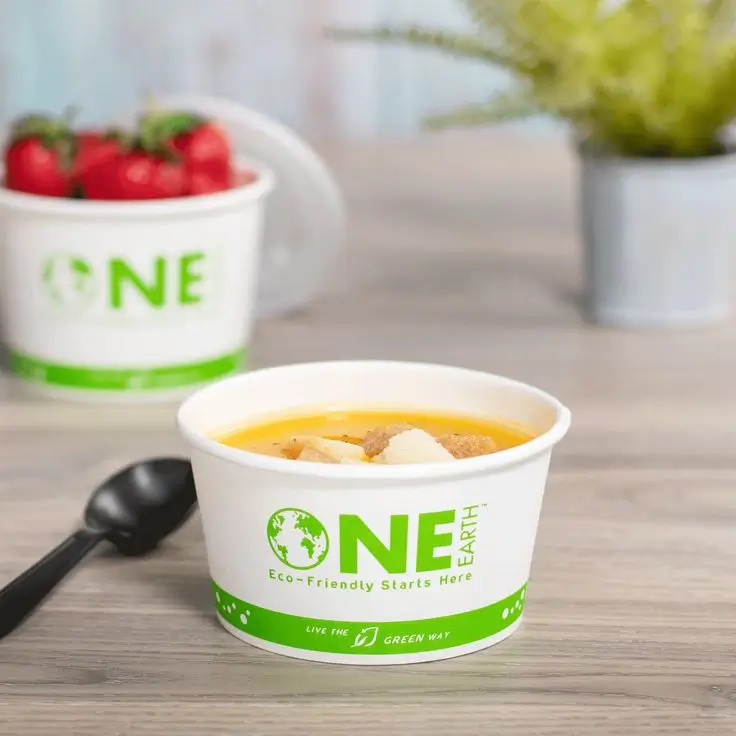
The 16 oz bowl is perfect for side salads, cold dishes, fruit cups, small pasta portions, or soups — all the small servings you sell every day.
The 32 oz bowl, on the other hand, fits a hearty main salad with protein or grains. It’s roomy enough for dressings and toppings, and even two people can share it if needed.
How Much Each Salad Bowl Material Costs?
Plastic Bowls (PP / PET)
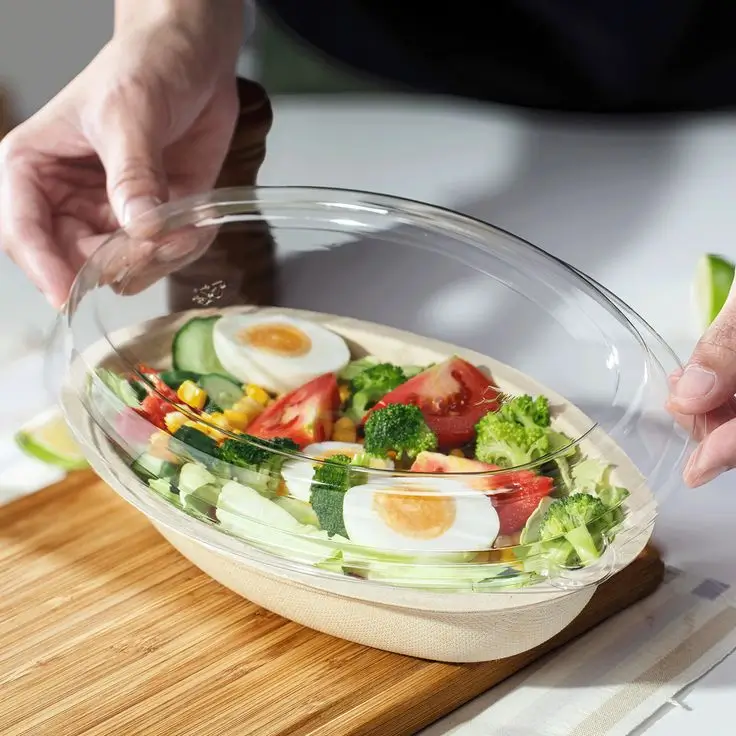
Best for showing off fresh salads — you can see every color and layer. PET is usually a bit pricier than PP of the same size, but it looks clearer. If you need heat resistance, go with PP.
Versatile and print-friendly — good for most salads, cold dishes, and light meals. Solid balance between function and cost.
💰 Unit cost (plain bowl): about $0.035–$0.084 each.
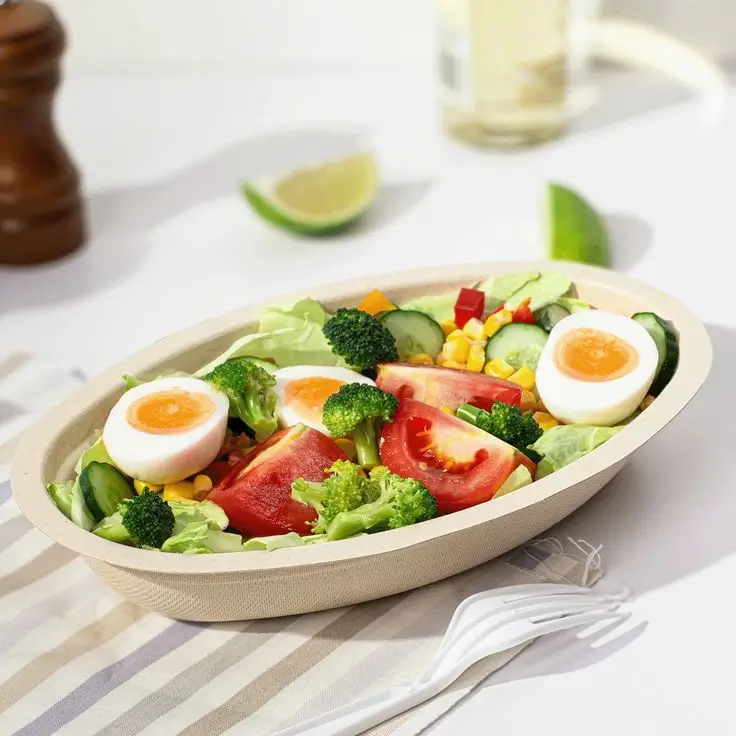
Plant Fiber Pulp Bowls (Bagasse)
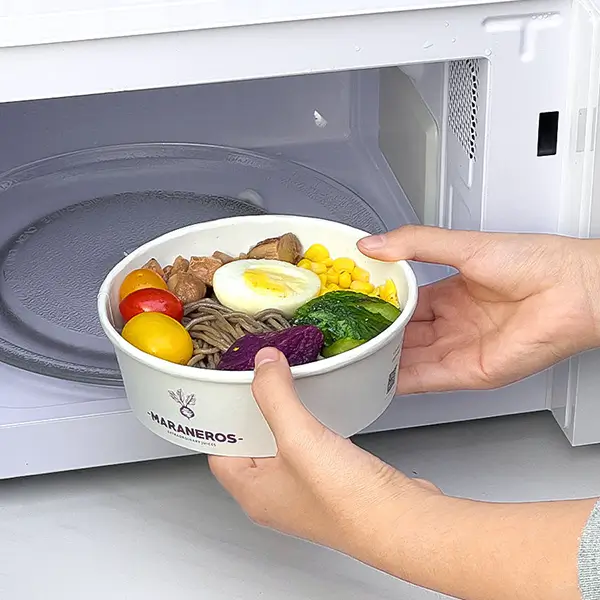
Eco-friendly and sturdy, but not ideal for oily soups or very hot meals. Handles up to around 100°C. Usually decorated with stamping or labeling instead of full printing.
💰 Unit cost (plain bowl): about $0.056–$0.133 each.
When the material, coating, and lid style are the same, the price gap between 12–48 oz sizes is actually very small.
What Salad Bowl Materials Are Most Popular with Our Clients?
From what we’ve seen in our export orders, paper salad bowls now make up most of what we ship, while plastic is used less than before.
Paper and bagasse bowls have grown fast as their coating quality improves — they handle heat, oil, and transport well, and the cost stays reasonable.
AtPackJing, we help restaurants and food brands find the right packaging — from salad bowls and lids to custom prints and full packaging sets. Our team has years of experience in food packaging sourcing, offering factory-direct prices, flexible MOQs, and quick support for both stock and custom orders.
If you already have an idea for your custom salad bowl or just want to see some samples, our design team would love to chat and help you bring it to life.
FAQ
What is a salad bowl?
A salad bowl is a container designed specifically for holding and mixing salads.